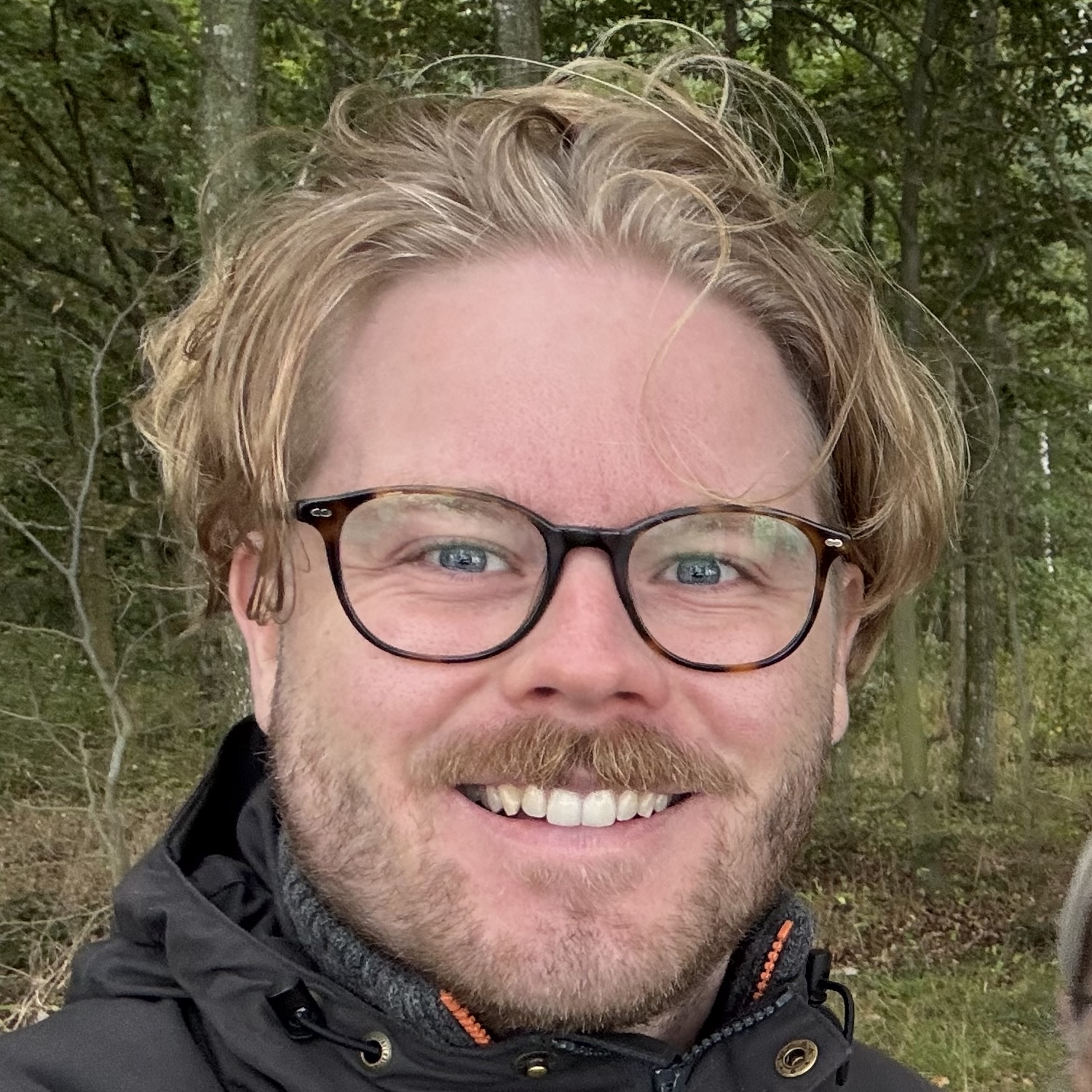
Niels Østman
Game Engineer with eight years of experience building playful experiences, robust gameplay systems, and scalable studio workflows.
Get in touch
Game Engineer with eight years of experience building playful experiences, robust gameplay systems, and scalable studio workflows.
Get in touch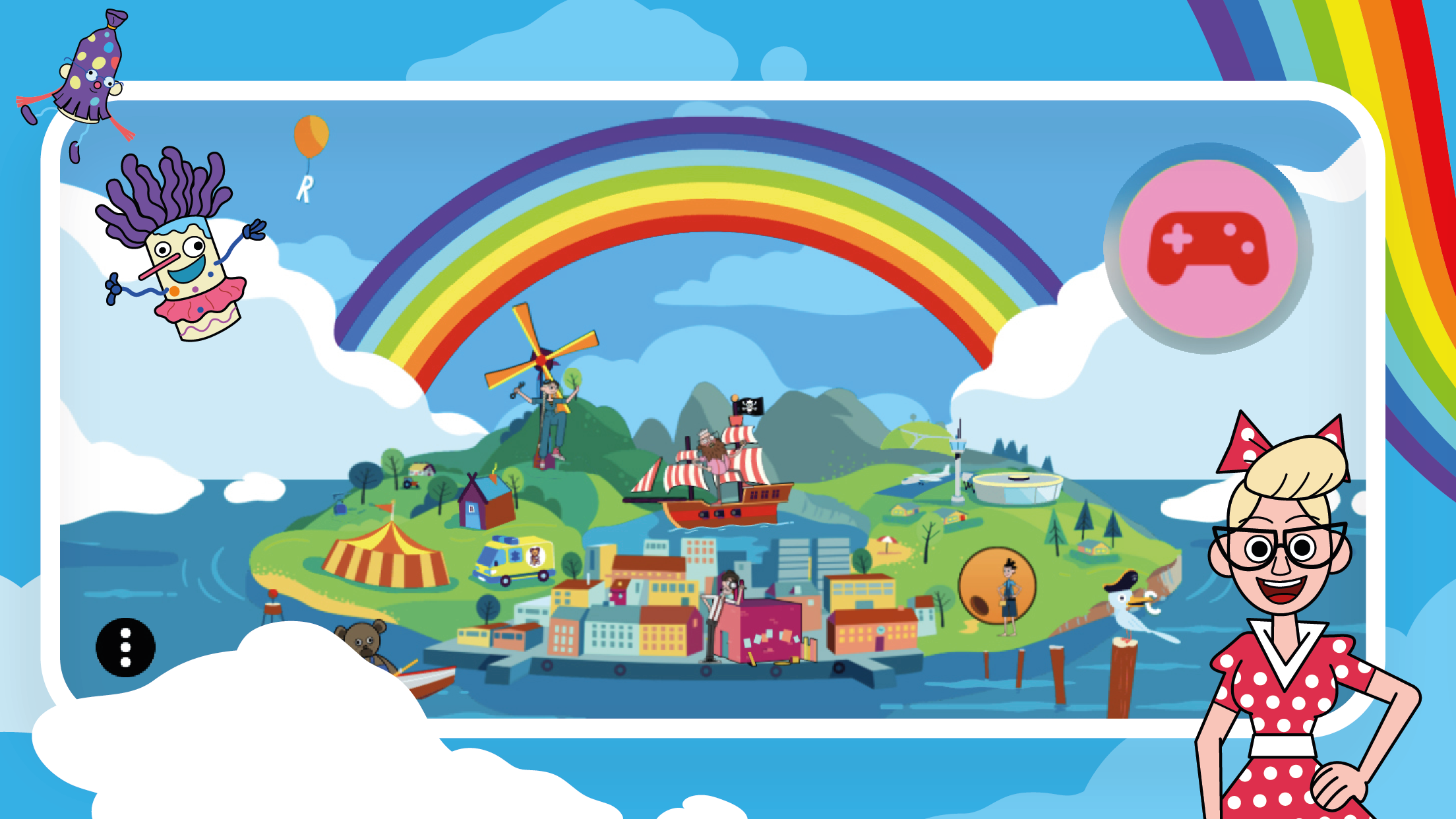
A live mobile sandbox where children explore and create stories. Serving as the primary developer, I took full technical ownership of the game's ongoing LiveOps. I collaborated closely with artists, audio engineers, and external clients (DR) to architect and implement new gameplay features, while independently managing ongoing App Store compliance and SDK updates.
Visit Website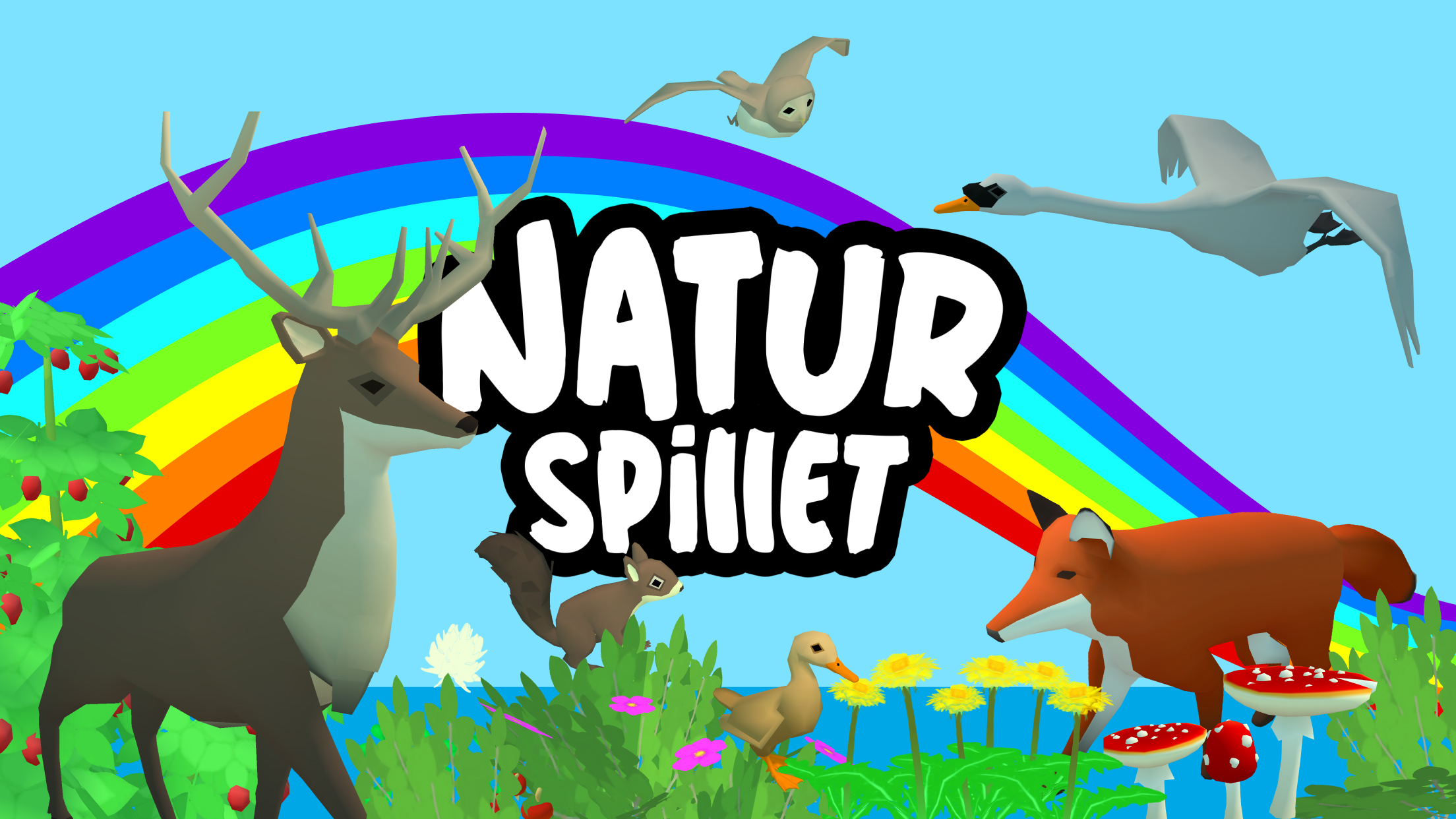
A nature-themed mobile sandbox focused on landscape sculpting and ecosystem simulation. I managed the end-to-end development cycle for its content updates, coordinating cross-disciplinary efforts to introduce new mechanics and wildlife.
Visit Website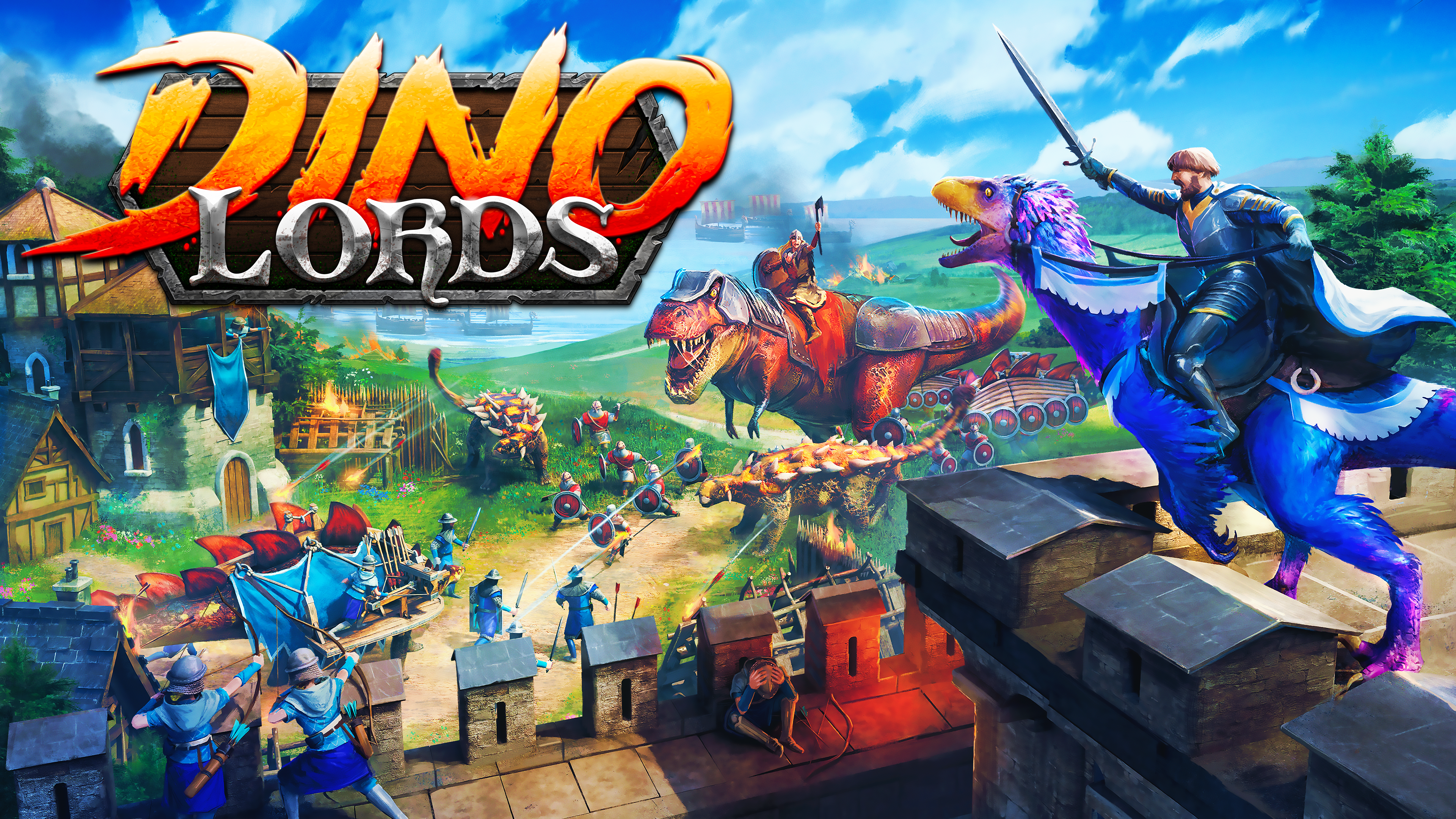
A PC real-time strategy game combining base-building with dinosaur combat. Alongside standard gameplay implementation, I took ownership of the project's infrastructure. I established automated GitHub Actions CI/CD pipelines for nightly Steam builds and implemented Unity Analytics systems to capture essential telemetry and bug reports from external playtesters.
Visit Website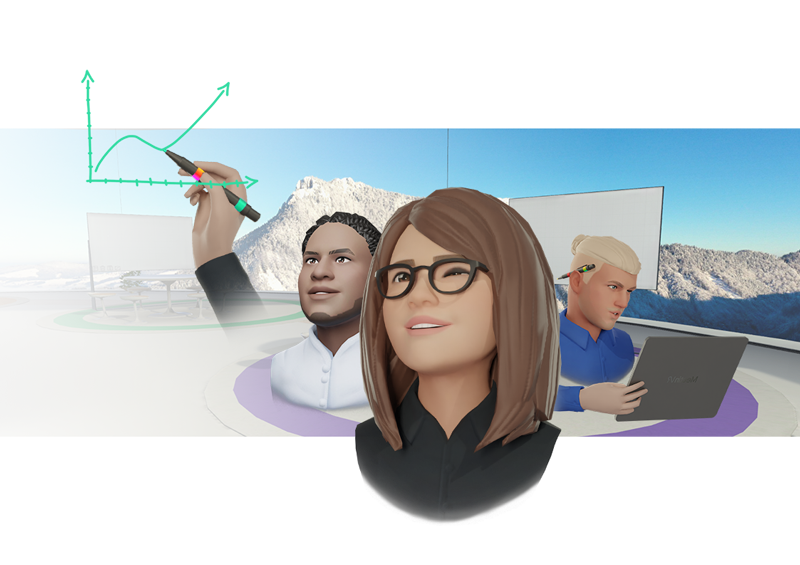
A cross-platform enterprise collaboration tool deployed across standalone mobile headsets (Meta Quest, Pico) and PCVR. I programmed real-time multiplayer systems, including a shared virtual web browser with fully synchronized multi-user inputs. I also engineered complex networked spatial mechanics such as a VR handshake utilizing temporary local-ownership transfer to mask network latency and architected technical solutions to guide peer developers.
Visit WebsiteHi, I'm Niels. I have spent the last eight years bringing playful, engaging experiences to life across mobile, PC, and VR platforms.
My background spans a wide range of engineering disciplines from building core mobile gameplay systems and spatial VR interactions to automating studio workflows and managing live operations. I enjoy the technical challenges of game development, whether that means architecting a scalable codebase, optimizing physics for constrained mobile hardware, or setting up reliable CI/CD pipelines to make my team's life easier.
I hold a Master's degree in Games Technology and a Bachelor's degree in Software Development from the IT University of Copenhagen, where I specialized in procedural content generation.